
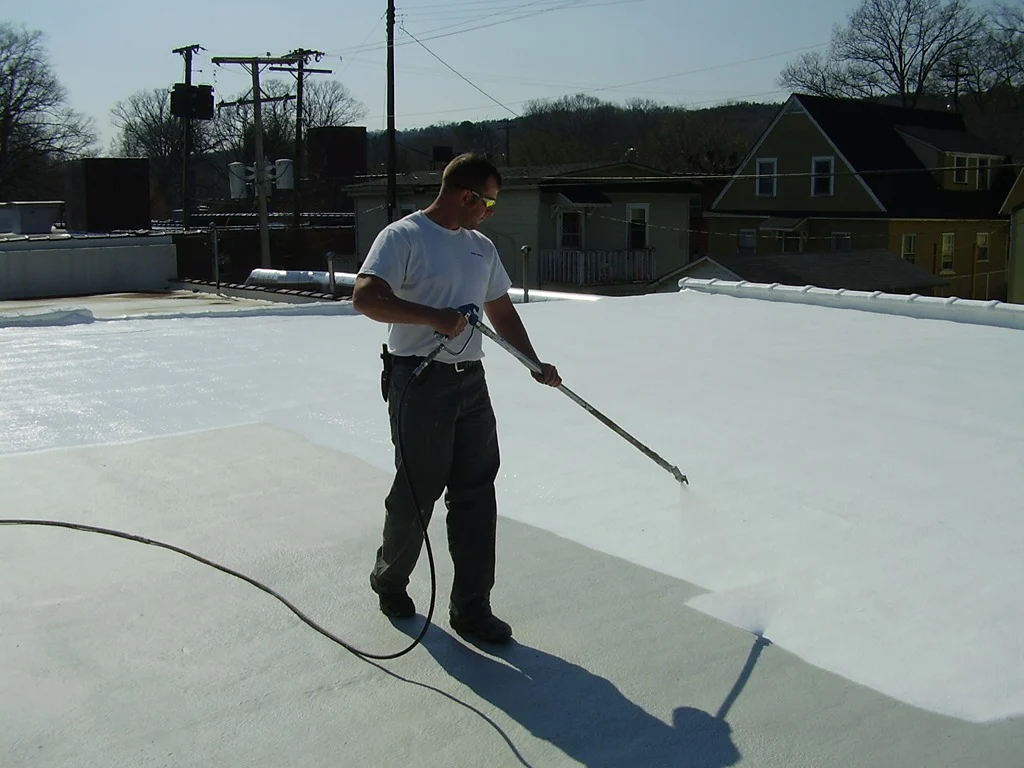
Warehouse and Distribution Center Roofing in Boise, ID
Commercial roofing for warehouses, distribution centers, and industrial storage facilities.
The Amazon Fulfillment Center on South Technology Way in Boise anchors one of the fastest-growing distribution corridors in the Intermountain West, and its nearly one-million-square-foot footprint is a daily reminder of the engineering demands that warehouse roofing places on contractors operating in this region. Roofing a facility at that scale is fundamentally different from any other commercial project, and building owners throughout the Boise metro—from the industrial parks along Overland Road to the newer spec-built DCs near the Interstate 84 interchange—require contractors who understand those differences in granular detail.
Drainage engineering is the first discipline that separates qualified warehouse roofers from general contractors. A flat or low-slope roof spanning 400,000 to 800,000 square feet accumulates an enormous volume of water during a heavy Pacific-moisture storm event. Boise averages roughly 12 inches of precipitation annually, but intense spring storms can deposit significant rainfall in compressed timeframes. Interior drains must be sized and positioned to evacuate water before ponding depth exceeds code-allowable limits, and secondary overflow scuppers through the parapet must be confirmed clear at every season change. Drain leader lines that run through occupied warehouse floors require coordination with racking layouts to avoid conflicts with fork traffic below.
Membrane selection for Boise warehouse roofs typically comes down to TPO versus EPDM, with the choice driven largely by the facility's thermal profile. Boise sits in a high-desert climate with hot summers regularly reaching the low 100s Fahrenheit and cold winters that bring hard freezes and occasional snow accumulation. TPO's heat-weldable seams and inherently reflective white surface make it the dominant choice for large distribution buildings that are mechanically cooled, because it meaningfully reduces solar heat gain through the deck. EPDM remains competitive for unheated or minimally conditioned storage buildings where the extra reflectivity of TPO provides less operational benefit and the lower material cost of EPDM becomes the deciding factor.
Dock door zones require specialized flashing details that most residential or light-commercial roofers have never encountered. Trailer courts and drive-in bays create a series of wall penetrations, overhead door headers, and transition points where the roofing membrane must integrate with vertical wall assemblies under constant mechanical stress from truck vibration, door cycling, and the thermal movement of large metal panels. Improperly flashed dock walls are one of the leading sources of warranty callbacks on warehouse projects, and the solution involves high-elongation peel-and-stick underlayments combined with two-piece counterflashing systems that allow independent movement between the roof deck and the wall framing.
Rooftop ventilation equipment for warehouse environments in Boise includes not only the standard HVAC curbs found on office buildings but also industrial exhaust fans serving forklift battery-charging stations, paint booths, and propane-fueled equipment bays. Each curb penetration must be flashed with a factory-fabricated or custom sheet-metal curb cap that extends a minimum of eight inches above the finished membrane surface and integrates with the field membrane using manufacturer-approved termination methods. Gravity ventilators and powered roof exhaust fans serving battery rooms carry their own clearance and spark-arrester requirements that a roofing contractor must coordinate with the mechanical engineer of record.
Snow load is a genuine structural consideration for Boise warehouse roofs even though the city's snowfall is modest compared to northern Idaho. The Idaho Building Code adopts ground snow loads that translate to roof design loads, and flat-roof structures accumulate drifted snow at parapet walls and mechanical equipment screens in concentrations that exceed the uniform design load. Before specifying membrane thickness or any insulation retrofit, a structural engineer should confirm that the existing deck and framing can accept the combined dead and live load of new materials plus a worst-case snow accumulation event. Several Boise-area warehouses built during the 1990s construction boom carry roofs that are already near their design capacity.
Energy efficiency for climate-controlled distribution buildings is increasingly tied to roof assembly R-value, and Idaho's energy code requires continuous insulation on commercial roofs that is most practically achieved by installing polyisocyanurate board over the existing deck before applying the new membrane. A two-layer iso installation with staggered, offset joints eliminates thermal bridging through fastener points and can push total assembly R-value above R-30, which meaningfully reduces heating-season energy demand in a city that logs over 5,700 heating degree days annually. For refrigerated storage or cold-chain facilities near the Port of Entry on I-84, vapor retarder placement becomes critical to prevent condensation within the insulation assembly during winter operation.
Cost per square foot for warehouse roof replacement in Boise currently ranges from $7.50 to $11.00 installed for a standard single-ply membrane over new polyiso insulation on a structurally sound deck, with project economies of scale reducing the unit cost significantly once a project exceeds 100,000 square feet. Mobilization costs spread across a large footprint, and the efficiency of mechanically attached or induction-welded installation systems on open, obstacle-free warehouse decks lowers labor hours per square compared to the penetration-dense roofs of retail or office buildings. Owners should budget additionally for tapered insulation crickets at drain locations and for any deck repairs discovered during membrane removal.
Long-term roof asset management is the framework that sophisticated Boise warehouse operators now expect from their roofing contractors. A facility like the Idaho Central Credit Union operations center or a major 3PL warehouse in the Gowen Field industrial area benefits from a documented inspection protocol tied to the manufacturer's warranty requirements, typically requiring two inspections annually plus a post-storm inspection after any hail or high-wind event exceeding threshold values. Keeping a timestamped photographic record of membrane condition, drain status, and flashing integrity gives building owners the evidence they need to support insurance claims after severe weather and to demonstrate proper maintenance when transferring warranty coverage at the time of a property sale.
- Solar Roof Integration
- Spray Foam Roofing
- Roof Inspection Condition Report
- Insulation Recovery Board
- Multifamily Roofing
- Preventive Roof Maintenance
- Commercial Roof Leak Repair
- Manufacturing Facility Roofing
Leak points, drainage, seams, penetrations, edge metal, roof access, and interior risk should be clear before the next roof decision is priced.
Immediate repair, maintenance, coating, recover, and replacement choices should be measured against roof age, moisture risk, tenant disruption, and budget timing.
A site visit is useful when the owner needs a documented roof condition, active leak response, storm review, or a clearer capital plan.