
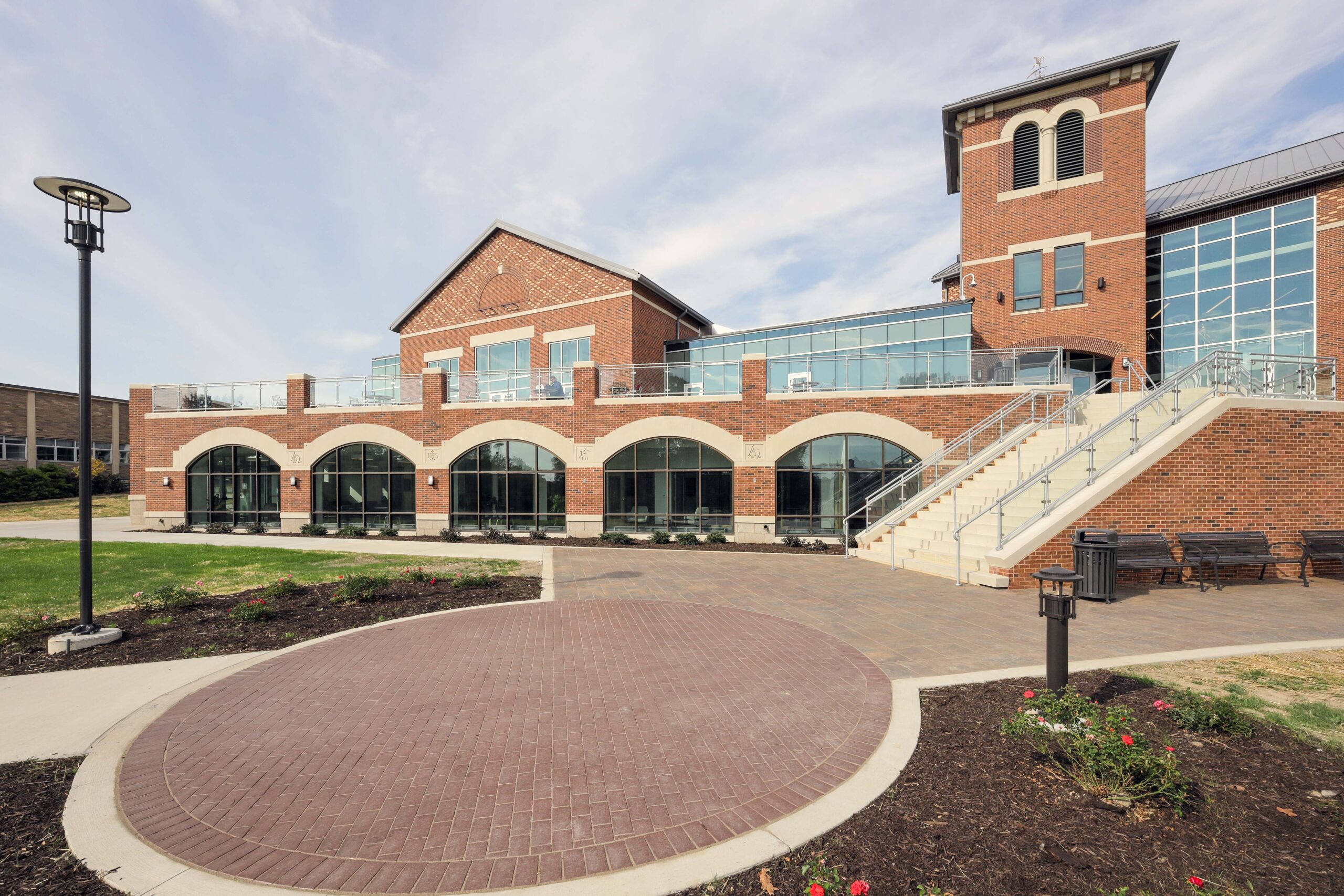
Car Wash Facility Roofing in Boise, ID
A roof that fights humidity and chemistry from the inside out
A car wash is one of the few commercial buildings where the roof takes the worst of its punishment from below. Inside a tunnel, hot water, detergent mist, tire-dressing aerosol, drying agents, and wax compounds rise as warm vapor, hit the underside of the deck, and condense there. That film is mildly acidic or alkaline depending on the chemical program, and it goes to work on steel deck, fasteners, and the bottom of the insulation around the clock. Most roofs leak from the top down. A car wash roof corrodes from the bottom up, and the first sign is usually rust streaking on the deck or a fastener that has lost its bite long before anyone sees water on the floor.
We have built our car wash roofing approach in Boise around that reality. The corridors where these washes cluster tell the story of the demand: the Eagle Road strip running south out of Meridian, the Overland and Cole intersection, the Fairview Avenue retail spine, and the newer pads going in along Chinden Boulevard as the State Street and Chinden corridor fills out. Express tunnels keep multiplying along these routes because the Treasure Valley keeps adding rooftops and commuters, and each new tunnel is a new humidity chamber that needs a roof assembly built for the job rather than a generic retail flat roof dropped on top.
Why the tunnel bay is the roof zone we worry about most
The enclosure directly over the active wash equipment is the highest-risk square footage on the property. Three forces stack there at once: standing steam, airborne chemistry, and thermal cycling from hot rinse water that can swing the deck temperature several times an hour during a busy shift. A membrane that holds up fine over a dry warehouse can degrade quickly in that environment, and the failure often shows at the seams and flashings first because that is where movement concentrates.
Membrane chemistry matters here more than almost anywhere else in commercial roofing. PVC holds up to the alkaline detergents and wax packages used in tunnel washing better than TPO or EPDM over the long haul, which is why we usually specify a 60-mil PVC system, fully adhered or fleece-backed, over the tunnel bay. Adhering it eliminates the membrane flutter that tunnel air pressure creates and removes the fastener field that mechanical attachment would drive through the most chemically loaded part of the deck. Before we commit to any system, we ask what chemicals the operation actually runs, because the right membrane for a basic soap-and-water self-serve is not the right membrane for a full express menu with ceramic sealants and hot wax.
Vapor control, not just a top surface
On a tunnel bay we treat the whole assembly as a vapor problem. That can mean a vapor retarder above the deck, the right insulation that will not wick and hold moisture, and ventilation detailing that gives the warm wet air a path out instead of letting it sit against the structure. Boise winters get cold enough that the temperature difference between a steamy tunnel and the outside air drives a strong vapor push into the assembly, and an assembly designed only to shed rain will trap that moisture and rot from within.
Express, in-bay, and self-serve are three different roofs
Car washes are not one building type. An express exterior tunnel with the full chemical menu carries the heaviest vapor and chemical load. In-bay automatics run a lighter chemical program but frequently have drainage problems over the bays that leave water ponding on the roof. Self-serve bays produce the least vapor but tend to be older structures where the original roof was never built for any wash duty at all. We scope each one on its own terms, and drainage gets a hard look every time, because a slow drain over a wash bay is not just a roof issue, it adds load to the structure and keeps the membrane wet far longer than it should be.
The vacuum canopy and customer canopy
The canopies on the exit side are their own animal. Vacuum islands and customer waiting canopies take vehicle exhaust, overspray from tire dressing, and the full thermal cycle of outdoor exposure, and they are usually clad in metal or a thin membrane. The connection where a canopy ties back into the main building is the single most common leak point we find on Boise express washes. Wind funneling down the Boise River valley works those joints, and the differential movement between a light canopy and a heavier main structure slowly opens any flashing that was not detailed for it. We treat every canopy-to-building transition, canopy drain, and gutter run as a discrete item rather than an afterthought.
Penetrations built for constant exhaust
A tunnel runs high-volume exhaust fans to pull steam and chemical vapor out of the building, and those penetrations live in the harshest part of the roof. Standard curb flashing details do not hold up to continuous airflow loaded with chemistry. We oversize the curbs, build the flashings to handle the exhaust stream, and inspect each penetration as its own assembly so the detail matches the equipment and the operating conditions instead of a generic standard plans.
Keeping the wash open while we work
Most Boise washes run seven days a week through the busy seasons, so we plan the work around the operating clock rather than expecting the operation to stop. Tunnel-bay work usually happens in the early-morning or late-evening close window when the equipment is down. Exterior building areas and canopy work can move during business hours with traffic control and crew staging that keeps vehicles clear of the work zone. The goal is a watertight roof at the end of every shift and a wash that never has to turn cars away because of us.
Talk to us before the rust starts
If you operate a wash anywhere from Garden City to Nampa and you are seeing rust on the deck, fasteners backing out, or staining on the tunnel ceiling, those are the early warnings of a roof being eaten from below. We will walk the roof, pull a core where it makes sense, look at your chemical program, and give you a straight assessment of how much service life is left and what a chemical-rated replacement would involve. That is a far better conversation to have now than after a deck section fails over the equipment line.
Leak points, drainage, seams, penetrations, edge metal, roof access, and interior risk should be clear before the next roof decision is priced.
Immediate repair, maintenance, coating, recover, and replacement choices should be measured against roof age, moisture risk, tenant disruption, and budget timing.
A site visit is useful when the owner needs a documented roof condition, active leak response, storm review, or a clearer capital plan.