
Self-Storage Facility Roofing in Boise, ID
Commercial roofing for self-storage facilities, mini-storage units, and climate-controlled storage.
Boise is home to dozens of self-storage facilities serving both residential and commercial customers across the Treasure Valley, and operators like StorQuest Self Storage on Overland Road know that a leaking or failing roof can translate directly into tenant claims, unit closures, and damaged reputations. Commercial roofing contractors who specialize in self-storage understand that these properties are fundamentally different from office buildings or retail centers—they are defined by acres of low-slope membrane roof stretched across long, narrow buildings that must perform for decades with minimal maintenance intervention.
The flat footprint of a typical self-storage campus in Boise can range from 40,000 to more than 120,000 square feet of continuous roofing surface. That scale demands a membrane system—TPO, EPDM, or PVC—chosen for long-term durability and ease of seam inspection. A single undetected seam failure can allow water intrusion across dozens of adjacent units before anyone notices. Experienced contractors install wide-width membrane rolls to reduce seam count and apply heat-welded or adhesive seams tested to pull-apart standards before the job is complete.
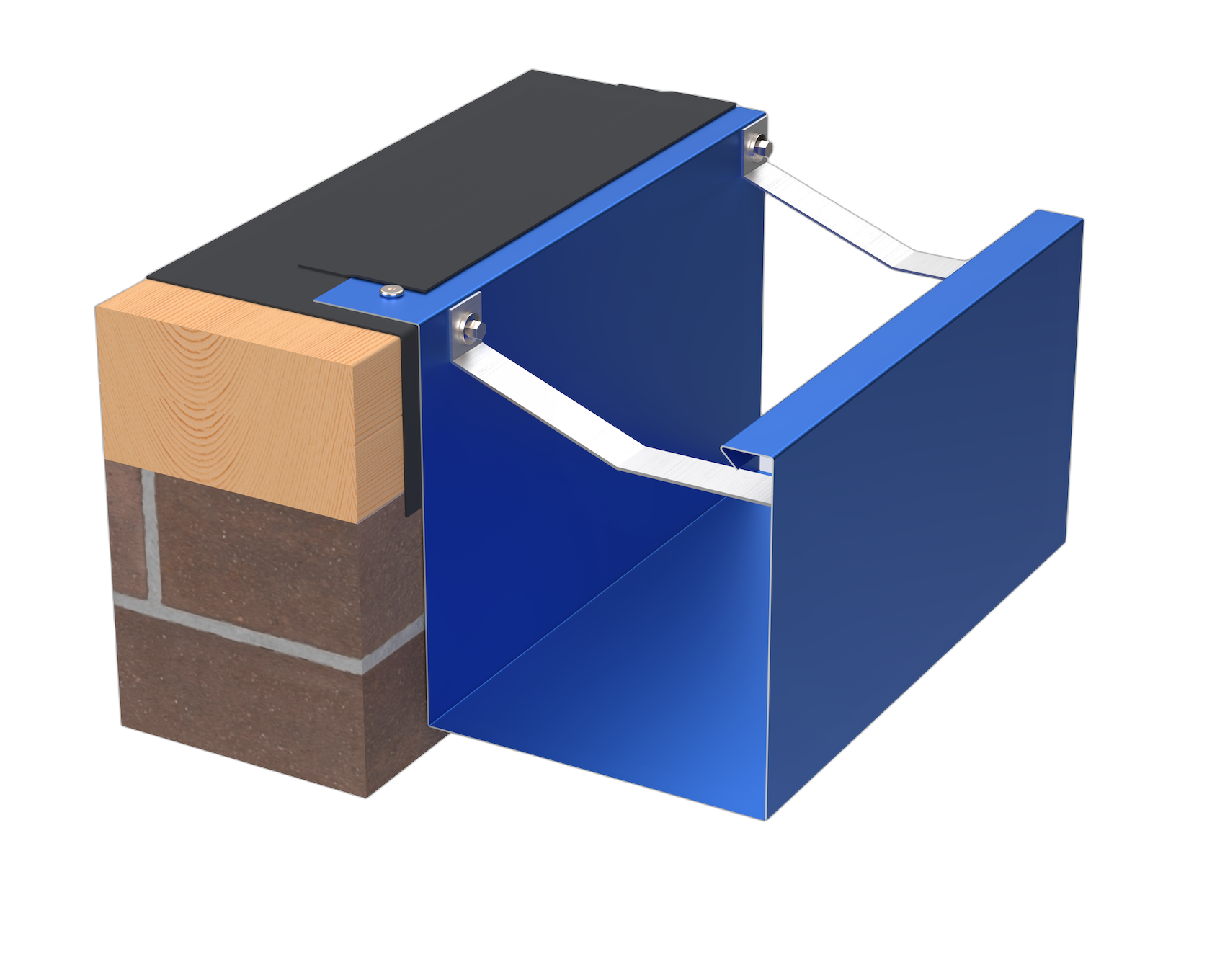
Tenant belongings protection is the central liability concern for storage operators. Water damage to a customer's furniture, documents, or business inventory can trigger insurance claims and legal disputes. Roofing systems installed on storage facilities should include robust edge metal detailing, through-wall flashing at all parapet transitions, and secondary drainage provisions so that no single clogged drain can pond water against a wall or seam. Boise's occasional heavy rainfall events, while not as extreme as the Pacific Northwest coast, are concentrated enough to overwhelm undersized drainage systems on large flat roofs.
Drainage design on self-storage roofs in the Boise area must account for the city's clay-heavy soils and the fact that most facilities are built on large parcels with limited stormwater infrastructure. Interior drains should be oversized, and overflow scuppers positioned at parapet walls are a code-required backup. Some Boise-area storage operators have upgraded to tapered insulation systems that create positive slope toward drains, eliminating the ponding that degrades even the best membranes over time.
Cost-effective membrane selection is a real concern for storage developers, who operate on tighter per-square-foot margins than many commercial property types. TPO has become the dominant choice for new construction and re-roofing projects in the Boise market because it balances material cost, heat-reflective performance, and weldability. For facilities with climate-controlled units, the roofing insulation layer is not merely a code compliance checkbox—it directly affects HVAC energy consumption and the ability to hold interior temperatures within the ranges that protect wine collections, electronics, and paper records.
Climate-controlled self-storage is a growing segment in Boise as the city continues to attract technology companies and remote workers who own more high-value possessions. Insulating a storage roof to R-25 or higher reduces the thermal load on rooftop HVAC units and helps maintain stable interior humidity. Contractors installing roofing on climate-controlled buildings should coordinate with the mechanical engineer to ensure that rooftop unit curbs are properly flashed and that conduit and refrigerant line penetrations are sealed with flexible pitch pans rather than rigid collars that crack as the building moves seasonally.
Security camera and access-control infrastructure creates dozens of roof penetrations on modern storage facilities. Conduit runs from gate keypads, cameras on building corners, and intercom systems all require watertight sleeves through the membrane. Improperly installed conduit penetrations are among the most common sources of slow leaks on storage roofs—water wicks down the outside of the conduit and enters the building through a crack in a deteriorated caulk bead. The correct approach uses prefabricated pipe boots compatible with the membrane type, adhered and welded per manufacturer specifications, with no reliance on sealant as the primary waterproofing layer.
Re-roofing an occupied storage facility in Boise requires coordination with site management to keep access lanes clear and to avoid covering drain leaders or emergency exits with material staging. Most storage facilities remain open seven days a week, so contractors must sequence work bay-by-bay and restore drainage at the end of each shift. Nightly tie-offs with temporary membrane flashing prevent wind-driven rain from entering open edges. A well-run re-roofing job on a 60,000-square-foot storage campus typically takes four to six weeks and produces minimal disruption to daily operations.
Long-term warranty coverage matters more on self-storage roofs than many owners initially realize. A 20-year manufacturer's warranty backed by a qualified installer gives operators documentation for insurance renewals, property sales, and lender requirements. When selecting a roofing contractor, storage operators in the Boise area should verify that the company is an authorized applicator for the chosen membrane brand, carries adequate general liability and workers' compensation coverage, and has completed at least three comparable projects they can reference. The roof is the single largest maintenance liability on a storage property; investing in qualified installation pays dividends across the full ownership cycle.
- PVC Roofing
- Standing Seam Metal Roofing
- Insurance Claim Coordination
- School Roofing
- Government Building Roofing
- Modified Bitumen Roofing
- Emergency Tarp Dry
- Healthcare Facility Roofing
Leak points, drainage, seams, penetrations, edge metal, roof access, and interior risk should be clear before the next roof decision is priced.
Immediate repair, maintenance, coating, recover, and replacement choices should be measured against roof age, moisture risk, tenant disruption, and budget timing.
A site visit is useful when the owner needs a documented roof condition, active leak response, storm review, or a clearer capital plan.